


How a seamless, multidisciplinary approach reduces risk, streamlines timelines, and delivers cohesive, investment-smart spaces.
The Cost of Disconnection
Developers often work with separate architects, interior designers, and FF&E procurement firms – each operating in silos with their own timelines, communication channels, and priorities. The result? Coordination gaps, costly change orders, delayed schedules, and spaces that feel disjointed.
Where Traditional Models Fail:
When architecture and interiors are designed separately, critical details fall through the cracks. Millwork doesn’t align with structural elements. Finish selections clash with architectural materials. FF&E arrives late or doesn’t fit as planned. These disconnects delay projects and erode budgets.
The Power of Integration
Firms that integrate architecture, interiors, and FF&E procurement under one roof eliminate these coordination gaps. Design teams collaborate from day one, ensuring every decision – from building massing to furniture selection – aligns with a unified vision.
Seamless Communication and Continuity:
With integrated teams, communication flows effortlessly. Architects and interior designers sit side by side, making real-time decisions that keep projects moving forward. The same core team stays involved from concept through installation, ensuring consistency and accountability.
Efficiency That Saves Time and Money:
Integrated firms streamline timelines by eliminating back-and-forth between separate vendors. Interior designs are permit-ready before construction begins. FF&E procurement aligns perfectly with construction schedules, avoiding delays and ensuring turnkey delivery.
Real-World Impact for Developers
For developers, the integrated approach translates to measurable value: reduced risk, faster timelines, and spaces that perform. Projects stay on budget, change orders decrease, and final results feel cohesive—inside and out.
Higher Resident Satisfaction and Marketability:
Integrated design creates environments where architecture, interiors, and furnishings work together harmoniously. Residents notice the difference. Spaces feel intentional, comfortable, and complete – leading to higher satisfaction, better reviews, and stronger lease-up performance.
Why Forum’s Integrated Model Works
Forum has operated as a fully integrated firm for 40 years. The firm’s architecture, interior design, and FF&E procurement teams collaborate under one roof, guided by employee-ownership and a shared commitment to client success. With 250,000+ units delivered and a 90% repeat client rate, Forum’s integrated approach has proven its value time and again.
The integrated advantage offers convenience, but more importantly it delivers better outcomes. When architecture, interiors, and FF&E live under one roof, projects run smoother, costs stay predictable, and results exceed expectations.
Gallery:
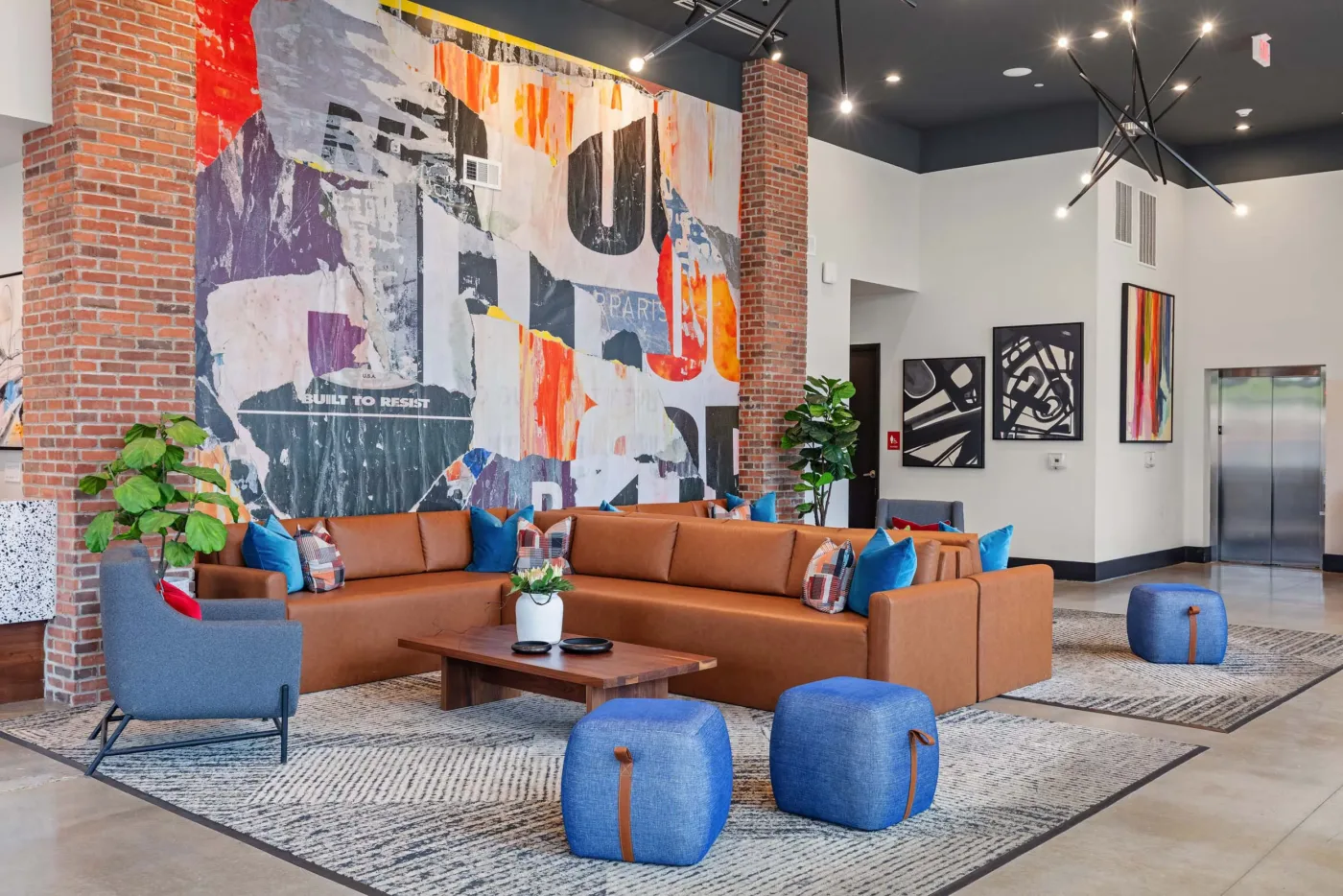
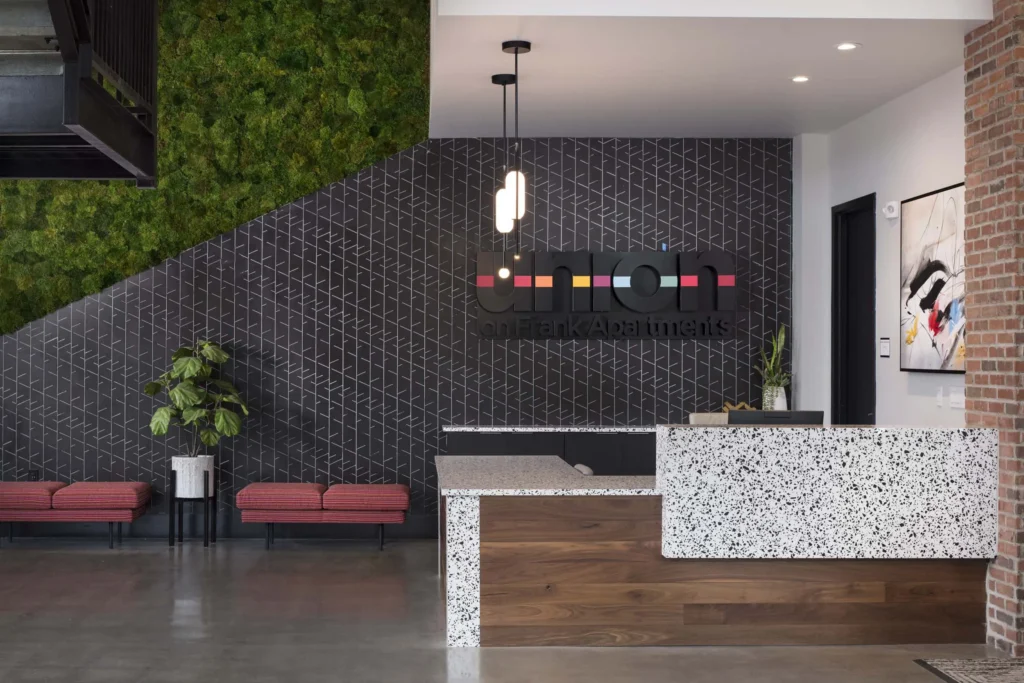
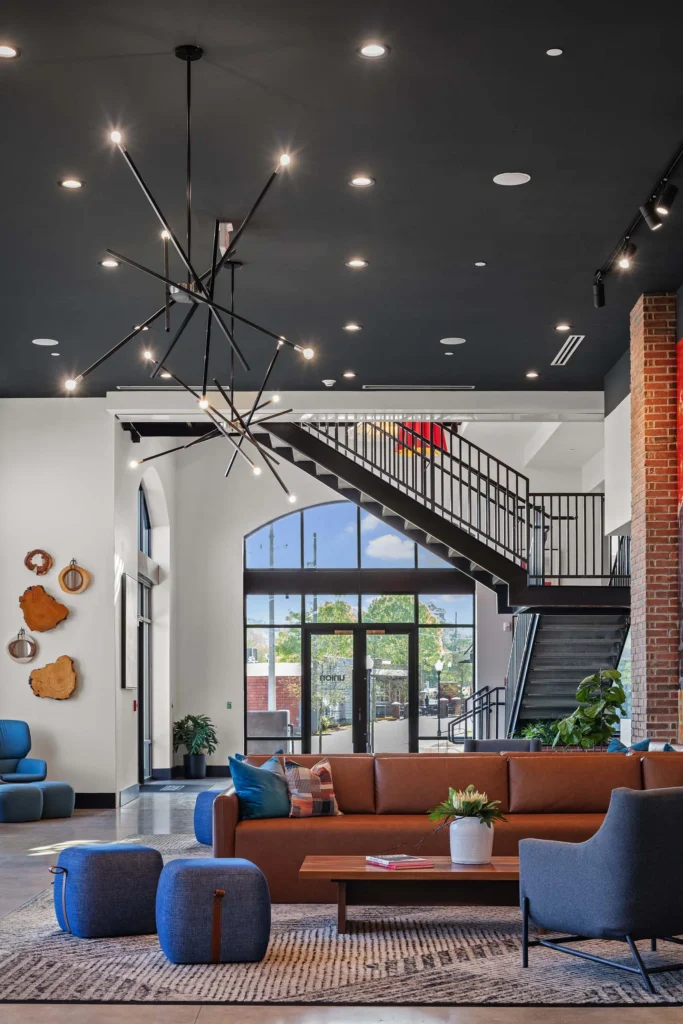
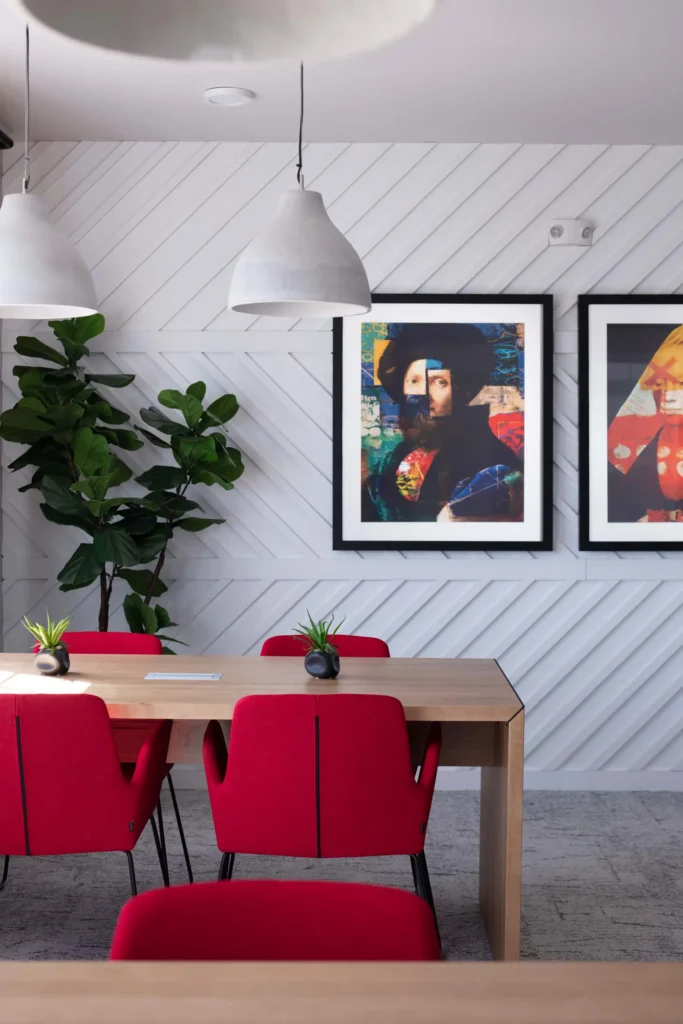
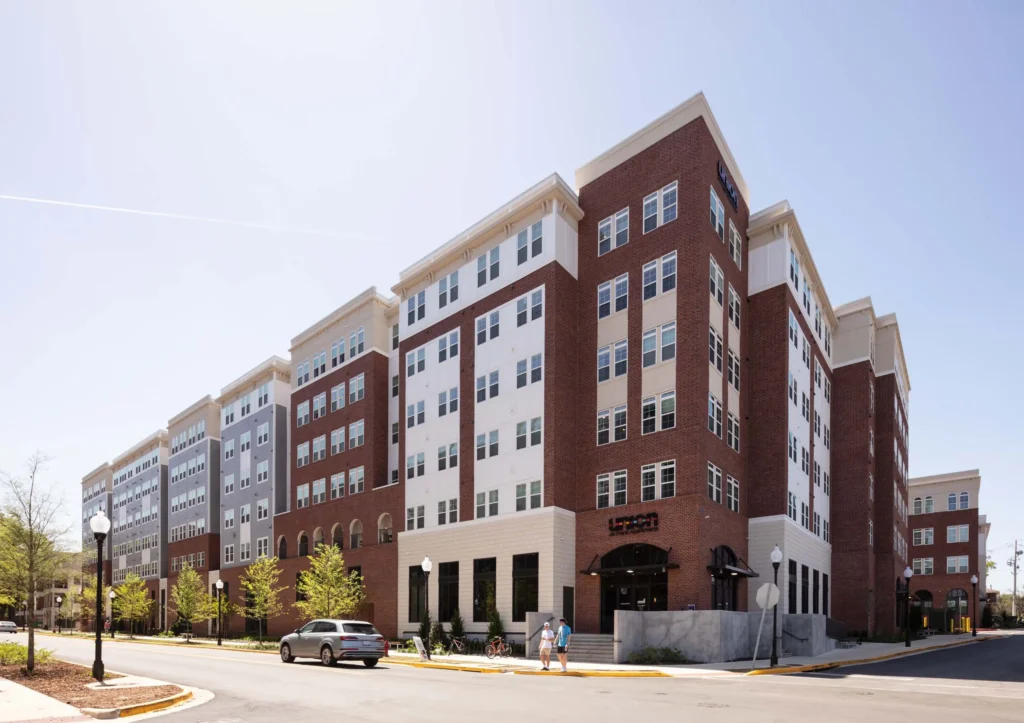
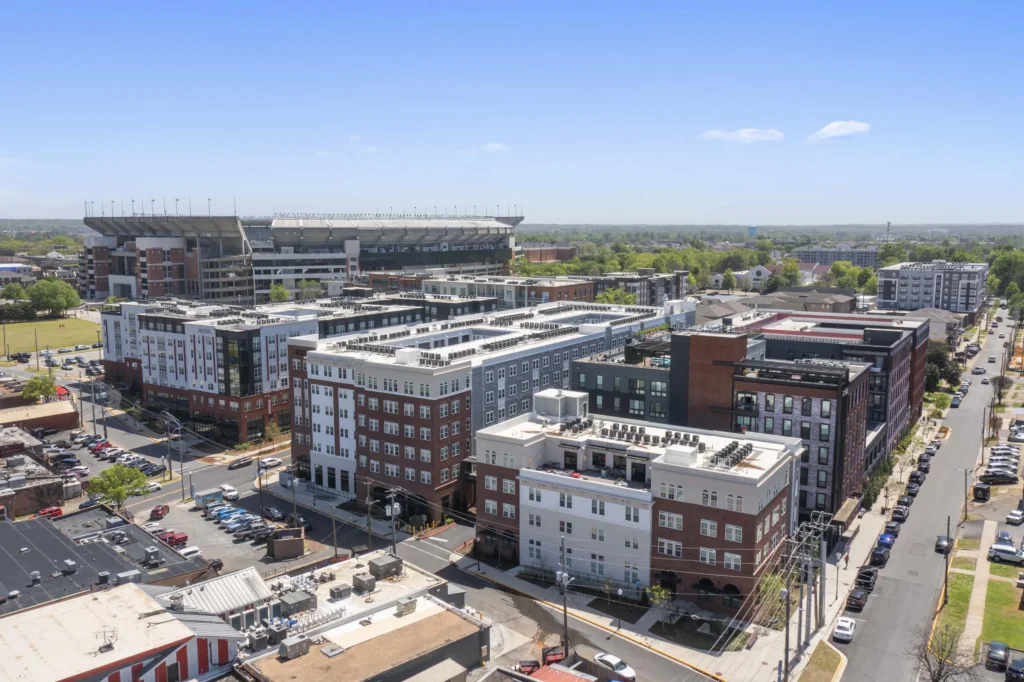
Union on Frank, near the University of Alabama in Tuscaloosa, is a fantastic example of what happens when architecture, interiors, and FF&E live under one roof.
Similar
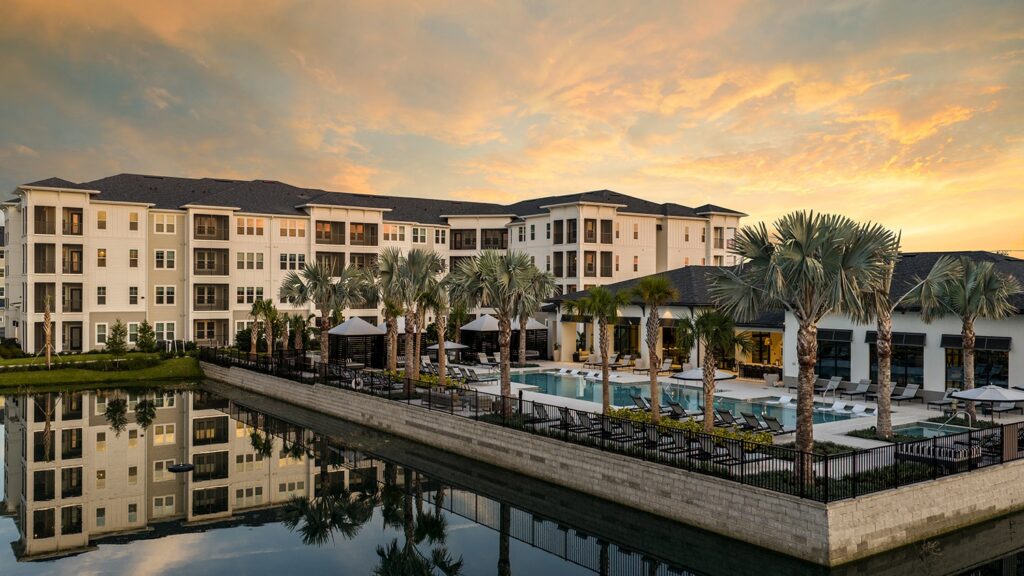
A Scalable Model for the Future of Multifamily
NORTHHAVEN // SANFORD, FLORIDA As multifamily developers contend with rising construction costs, shifting renter expectations, and the need for faster, more predictable project delivery,...
Forum Celebrates 40 Years with New Brand Reveal
New identity reflects the firm’s trusted legacy, multifamily expertise, and a more open expression of its next chapter. As Forum marks its 40th anniversary,...